Emergency Dentist Plano, TX for Broken Dentures and Dental Appliances
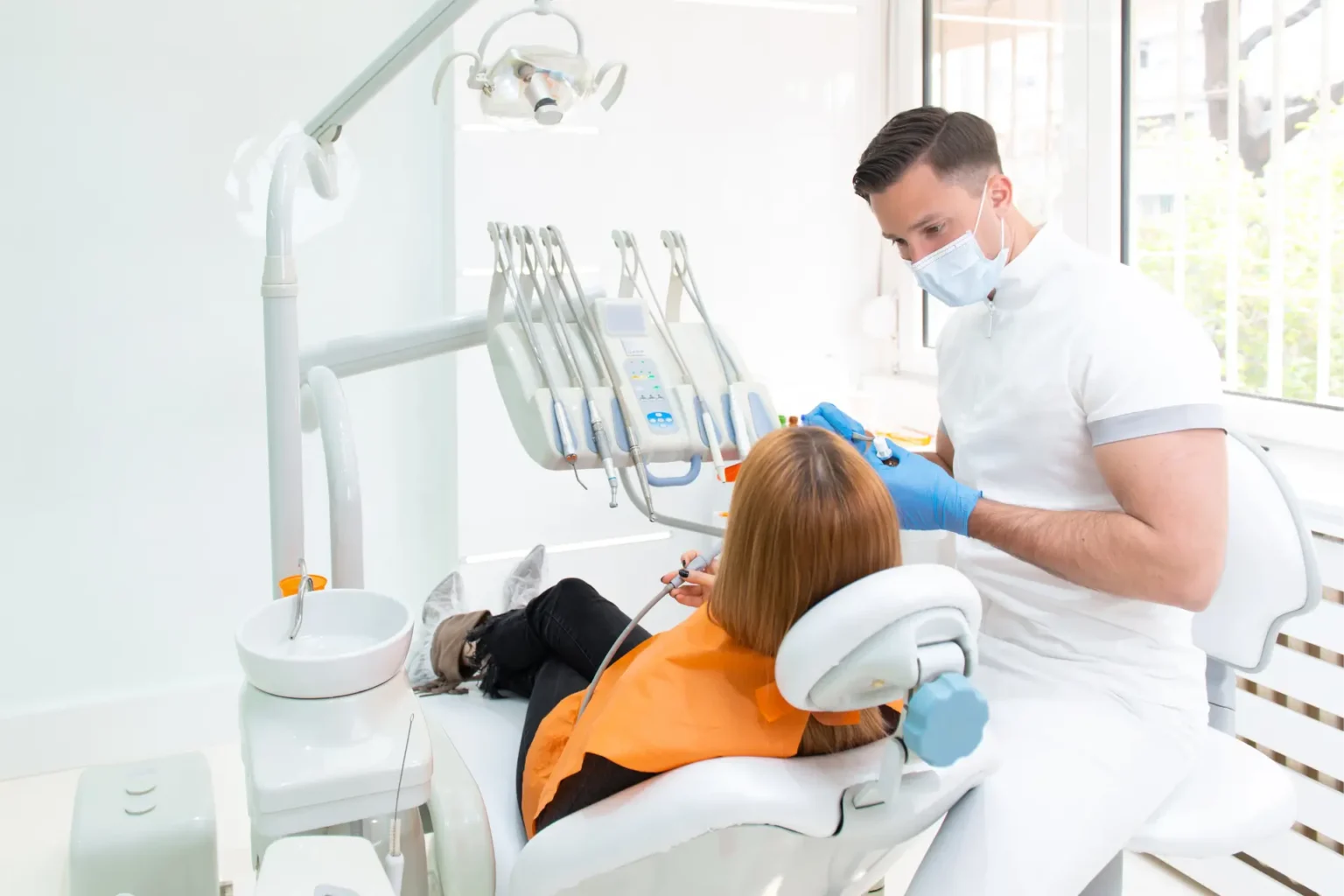


A broken denture rarely happens at a convenient time. It splits during dinner, a clasp snaps before a family photo, or a partial starts rubbing so badly that speaking becomes difficult by midday. When that kind of damage happens, it is more than a cosmetic nuisance. It affects chewing, speech, comfort, confidence, and in some cases the health of the gums and remaining teeth. That is why many people start searching for an emergency dentist Plano, TX patients can call when a denture, partial, retainer, flipper, or other removable appliance fails without warning.
Dental appliances break for all kinds of reasons. Some wear out after years of daily Emergency dentist Plano, TX Vitality Dental use. Others are dropped into the sink, stepped on by accident, or weakened by an old repair. Sometimes the problem is less dramatic but just as urgent. A denture may not crack completely, but it no longer fits after gum changes, bone loss, or dental work. A night guard can split and leave sharp edges. A temporary appliance may loosen over a weekend. In practice, “emergency” often means the appliance can no longer do its job safely or comfortably, and the patient cannot wait days or weeks to function normally again.
People are often surprised by how many issues fall into this category. A denture emergency is not limited to a dramatic fracture in the pink acrylic. It can involve broken teeth on the denture, a warped base, a bent metal framework on a partial, a lost clasp, pressure sores from a poor fit, or adhesive no longer compensating for a loose appliance. The common thread is simple: if the appliance is causing pain, interfering with eating or speaking, or risking injury to the mouth, prompt professional attention matters.
What counts as a true denture or appliance emergency
Not every damaged appliance requires same-day treatment, but many do. In a busy dental setting, urgency is usually judged by function, pain, and risk of further damage. A small chip on the back chewing surface may allow a short wait if there is no pain and the appliance still seats correctly. A clean break across a full denture, by contrast, often needs quick care because the two sides can shift unpredictably and create sore spots almost immediately.
A partial denture with a broken clasp deserves close attention even if it still seems wearable. Once retention is compromised, the appliance may rock, stress supporting teeth, or slip while eating. That can lead to gum irritation, accidental swallowing risk in rare cases, or damage to the remaining structure. Retainers and clear appliances can also become urgent when they crack and create sharp edges or when they are part of an active treatment plan and delay could affect tooth position.
One detail that matters more than many patients realize is whether the appliance broke on its own or after a change in the mouth. Dentures sometimes fracture because they no longer fit the underlying gum and bone evenly. When that happens, the crack is a symptom as much as the problem itself. Simply gluing the pieces together, even professionally, may not hold for long unless the underlying fit issue is addressed. An experienced emergency dentist Plano, TX patients trust will often look beyond the break and ask why it happened in the first place.
Why home repair kits cause trouble
Drugstores and online sellers have made do-it-yourself denture repair sound simple. It rarely is. Store-bought glue, household adhesive, and boil-and-bite fixes may seem like a reasonable stopgap, but they often create more expensive problems later. The alignment of a denture has to be exact. Even a tiny change in how the pieces meet can alter the bite, place pressure on one ridge, and produce painful sore spots after only a few hours of wear.
Super glue is especially problematic. It is not made for oral tissues, it can trap bacteria in rough seams, and it can prevent a clean professional repair because the surfaces no longer fit together properly. I have seen appliances that could have been repaired straightforwardly become unusable because someone tried to “help” with adhesive from a kitchen drawer. The patient saved a day and lost the appliance.
There is also the issue of heat and reshaping. People sometimes soak a bent partial or mouthguard in very hot water hoping it will soften and return to form. More often it warps further. Once plastic changes shape, precise fit is difficult to recover outside a dental office or laboratory.
The first few hours after something breaks
When an appliance fails, a calm response makes a difference. Save every piece, even if it looks too small to matter. Fragments help with alignment and may determine whether repair is possible. Rinse the mouth with lukewarm water if there is irritation or a cut. If the appliance has a sharp edge, do not keep forcing it into place. Temporary wear “just for dinner” can turn a manageable situation into several raw sore spots.
These immediate steps are usually the safest approach:
- Remove the broken appliance and keep all pieces in a clean container.
- Rinse your mouth gently and check for cuts, swelling, or bleeding.
- Do not use super glue, hardware glue, or heat to reshape the appliance.
- Call a dental office promptly and explain exactly what broke and whether you can still eat or speak.
- Bring the appliance, the broken pieces, and any case or previous model you still have.
That short window before treatment often determines how smoothly things go. If the appliance broke during a meal, avoid crunchy or sticky foods until it has been assessed. If you are left without a denture entirely, softer foods such as eggs, yogurt, soup, oatmeal, fish, or mashed vegetables are usually easier for a day or two. If pain is present, over-the-counter relief may help, provided it is appropriate for you medically, but it should not replace evaluation when fit or tissue trauma is involved.
What an emergency dental visit usually involves
Patients sometimes assume the appointment will be a quick glue job at the front desk. Proper care is more deliberate than that. The dentist first needs to examine both the appliance and the mouth. The appliance may be broken, but the gums, tongue, cheeks, and remaining teeth can also be affected. Pressure ulcers under an unstable denture are common. So are loosened abutment teeth under partials that have been rocking.
The exam usually answers a few practical questions. Can the appliance be repaired safely? Can it be adjusted chairside, or does it need laboratory work? Is the fit still acceptable after repair, Emergency dentist Plano, TX or is a reline or replacement the better option? Has the bite changed? Are there signs that the fracture came from long-term wear rather than a one-time accident?
A clean, simple denture fracture with all pieces available may sometimes be stabilized and sent for quick lab repair. A tooth that has popped out of a denture can often be replaced if the surrounding acrylic is intact. A broken clasp on a partial is more variable. In some cases the metal framework allows repair. In others, especially when the framework has distorted, a remake becomes more realistic.
This is where judgment matters. A patient naturally wants the fastest and least expensive answer. Sometimes that answer is also sound. Sometimes it is not. If a denture has been repaired multiple times, the material may be fatigued enough that another repair becomes a short-term patch instead of a dependable solution. Good emergency care is not just about getting someone out the door quickly. It is about restoring function without setting them up for another failure next week.
Repairs, relines, adjustments, and replacement, knowing the difference
People often use the word “repair” for every denture problem, but several different services may be involved. A true repair addresses a break, crack, lost tooth, or damaged component. A reline changes the tissue side of the denture to improve fit against the gums. An adjustment removes pressure points or refines the bite. A replacement means the appliance has reached the end of its useful life or can no longer be restored predictably.
That distinction matters because symptoms overlap. A denture that keeps cracking may really need a reline or replacement due to changes in the jaw ridge. A partial that feels tight may not be “bent” so much as incompatible with tooth movement, new crowns, or shifting gum levels. A clear retainer with a hairline fracture may seem minor, but if the crack makes it flex abnormally, it can lose its intended effect.
An experienced clinician will also consider timing. If you have a wedding, business trip, or medical procedure coming up, the goal may be to create a safe short-term solution while planning a longer-term one. That is common with older dentures. A same-day adjustment and lab repair may get someone through an important event, even if the larger conversation about replacement happens later.
The hidden causes behind broken dentures
Wear and tear is only part of the story. Full dentures rely on stable tissue support. Over time, the underlying bone and gum contour changes. That means a denture that once distributed pressure evenly can start rocking on a narrower ridge. Stress concentrates in specific areas, and acrylic eventually gives way. A patient may insist, honestly, that the denture “just broke for no reason.” Often the reason has been building slowly for months.
Partial dentures bring in another set of variables. Remaining teeth shift. Fillings and crowns change shape. A clasp can fatigue from repeated insertion and removal. If someone bites down before the appliance is fully seated, stress can transfer to a connector or acrylic saddle. Night grinders are especially hard on both full and partial appliances. It is not unusual to see small fractures near molar areas in patients who clench heavily during sleep.
Storage habits matter too. Appliances dry out, especially when left on a bedside table or wrapped in tissue. Acrylic that loses moisture becomes more brittle. Heat is another enemy. A denture left in a hot car or near a sunny window may warp enough that the patient cannot identify what changed, only that it suddenly “doesn’t sit right.”
Special cases that deserve fast attention
Some dental appliance problems are less common but more urgent. One is a swallowed or aspirated component, such as a loose denture tooth or a segment of a broken appliance. If there is coughing, trouble breathing, or chest discomfort, that is not a routine dental repair issue and needs immediate medical attention.
Another is trauma. If a denture breaks during a fall or sports injury, the mouth may have cuts, bruising, loose natural teeth, or jaw injury that is more important than the prosthetic itself. In those cases, the appliance is part of the event, not the whole event. Dentists evaluate soft tissues carefully because acrylic can create ragged lacerations, especially along the lips and cheeks.
There are also situations involving implants. An implant-supported overdenture may loosen, fracture, or stop snapping in properly. The urgency rises because forcing it can damage the attachment components or the denture base. The denture may be the visible problem, but the health of the implants has to be protected.
How to prepare before you arrive
A little organization can speed up emergency treatment and improve the odds of repair. Patients do best when they can tell the story clearly: when it broke, whether it was dropped or fractured during use, whether it has been repaired before, and whether anything in the mouth has changed recently. New extractions, weight loss, recent crowns, sore spots, and trouble chewing are not side notes. They are clues.
If you are heading to an appointment, try to bring these items if available:
- All pieces of the broken denture or appliance.
- The storage case and any previous backup appliance.
- A list of current medications and allergies.
- Details about prior repairs, relines, or recent dental work.
- Photos, if the appliance looked different or fit differently before the break.
That last point can be surprisingly useful. Patients often have casual phone photos from family events where a smile is visible. Those images can help when a denture tooth has been lost and positioning needs to be recreated, especially if there is no old cast or spare prosthesis on file.
What patients in Plano often ask about timing and cost
The two most common questions are, “Can it be fixed today?” and “How much will it cost?” Honest answers depend on the type of appliance, the nature of the damage, and whether a dental lab must be involved. Some straightforward repairs move quickly. Others require more time because accuracy matters. A rushed, poorly aligned repair is not a bargain if it creates sores or fails again.
Costs also vary widely. A simple adjustment is not the same as a fracture repair, and neither is the same as remaking a partial denture with a metal framework. Insurance coverage can be inconsistent, particularly for replacement appliances or frequency limitations. That said, patients usually appreciate candor more than rosy estimates. It is better to hear, “This may need a temporary repair now and a full replacement soon,” than to be told what sounds convenient in the moment.
From a practical standpoint, keeping older dental records or knowing when your denture was made can help frame that discussion. Appliances have a lifespan. Daily use, oral anatomy changes, cleaning habits, and nighttime wear all influence it. A denture that has served well for many years is not failing because you did something wrong. It may simply have reached the point where repair no longer offers good value.
Preventing the next emergency
Prevention is less glamorous than emergency care, but it saves people a great deal of discomfort. Regular checkups are part of that, even for people with full dentures who no longer have natural teeth. Dentures should still be examined for wear, fit, and hidden cracks. Gum tissue should be checked for chronic sore spots, fungal irritation, and changes in ridge shape. A quick annual assessment often catches small problems before they become after-hours emergencies.
Cleaning routine matters as well. Use products meant for dental appliances, not abrasive toothpastes or harsh household cleaners. Clean over a folded towel or a sink partly filled with water, which softens the blow if the appliance slips from your hand. Store it properly when out of the mouth, usually in water or an appropriate soaking solution depending on the material and your dentist’s guidance.
The way the appliance is worn also matters. Sleeping in dentures every night can increase tissue irritation and accelerate wear for some patients. Others with complex medical or functional needs may receive different instructions, which is why generic advice has limits. The best preventive plan is individualized.
Choosing the right office when you need help quickly
Speed matters in an emergency, but so does capability. A practice that handles removable prosthetics regularly is often better equipped to judge whether a repair is realistic, temporary, or unwise. When calling an emergency dentist Plano, TX residents should describe the appliance type clearly. “My denture broke” is a start, but “my upper full denture cracked down the middle” or “the metal clasp on my lower partial snapped off” gives the team a better chance to prepare.
It also helps to ask practical questions. Does the office evaluate broken dentures and partials on the same day when possible? Do they work with a local lab for urgent cases? Should you avoid wearing the appliance before arrival? Those answers can save time and prevent further damage.
A good office will set expectations without overpromising. Sometimes they can help immediately. Sometimes they can stabilize the problem, relieve pain, and outline the next step. Both forms of care have value. The real goal is not just a fast appointment, it is a safe and functional result.
When waiting is the wrong move
People delay denture and appliance care for understandable reasons. They hope it will hold together for one more meeting, one more holiday, one more paycheck. But waiting tends to narrow the options. Small cracks spread. Loose dentures create deeper sore spots. Broken partials shift chewing forces onto teeth that were already carrying enough burden. The eventual fix becomes more involved than the original problem.
If an appliance is painful, unstable, visibly cracked, or no longer usable for speaking and eating, it deserves prompt attention. That is especially true if you notice mouth sores, swelling, changes in how your bite feels, or repeated breakage in the same spot. Those are signs that the issue is not merely cosmetic.
Broken dentures are frustrating, but they are manageable when handled correctly. With the right evaluation, many can be repaired, adjusted, or replaced in a way that restores comfort and confidence quickly. The key is resisting the temptation to improvise at home and getting professional help before a fixable problem becomes a larger one. For anyone searching for an emergency dentist Plano, TX patients can rely on, the best outcome usually starts with a simple choice: stop wearing the damaged appliance, save the pieces, and call right away.
Vitality Dental
1220 Coit Rd # 106, Plano, TX 75075, United States
+1 972-645-4100
FAQ About Emergency dentist Plano, TX
Will the ER do anything for dental pain?
An emergency department can assess urgent symptoms and provide medical stabilization. Definitive treatment of the tooth usually requires a dentist. Seek emergency medical care for breathing or swallowing difficulty, uncontrolled bleeding, or serious facial injury.
What to do if I have a dental emergency in the middle of the night?
Contact a dentist or after-hours dental service promptly for guidance. If a permanent tooth is knocked out, keep it moist in milk while seeking immediate care. If symptoms suggest a medical emergency, go to an emergency department.
What qualifies as a dental emergency?
A knocked-out permanent tooth, severe or persistent tooth pain, a significant dental injury, or swelling may require urgent dental assessment. Call a dentist to describe the symptoms and determine timing. Uncontrolled bleeding or difficulty breathing or swallowing requires emergency medical care.