How to Help Someone Else During a Dental Emergency
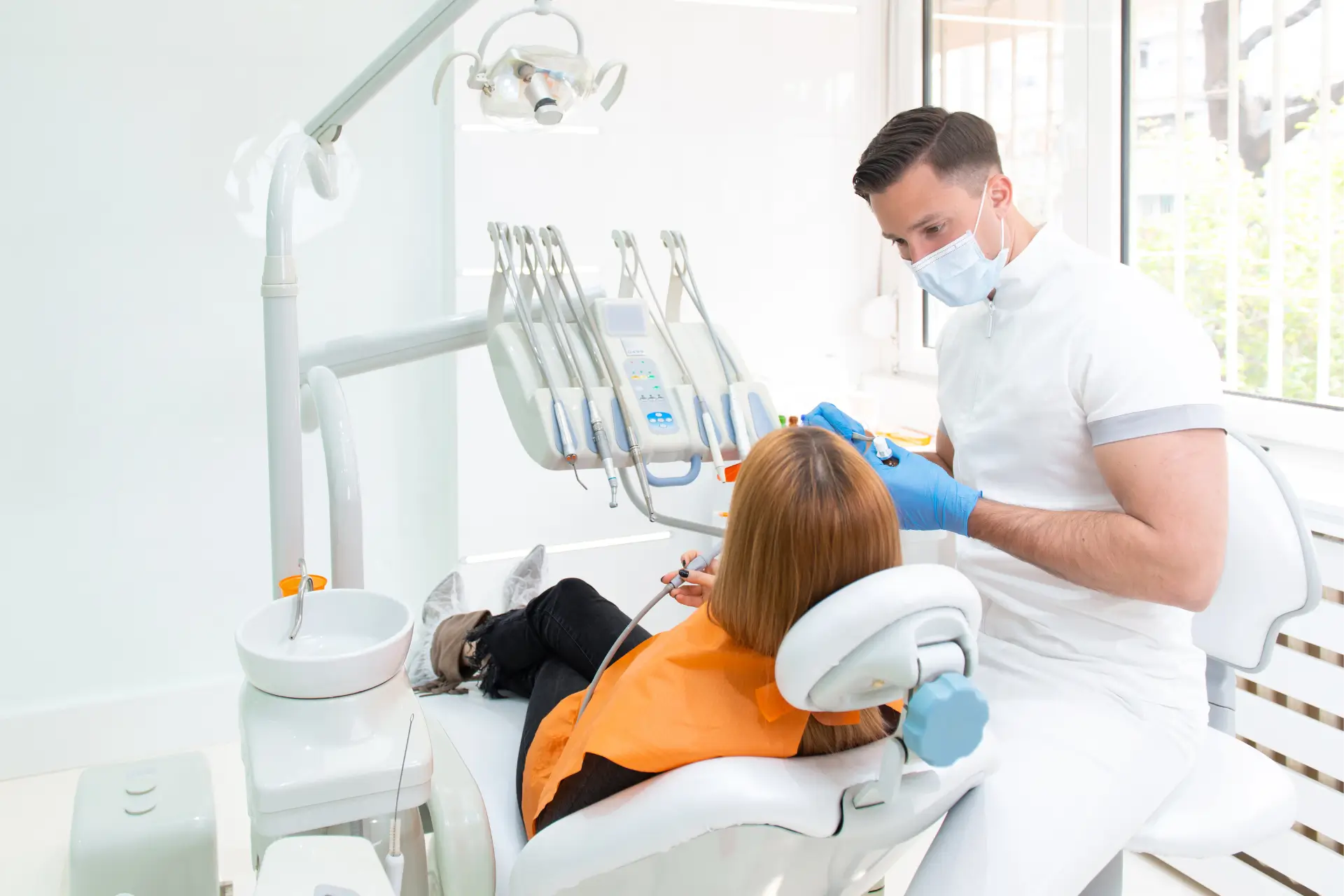
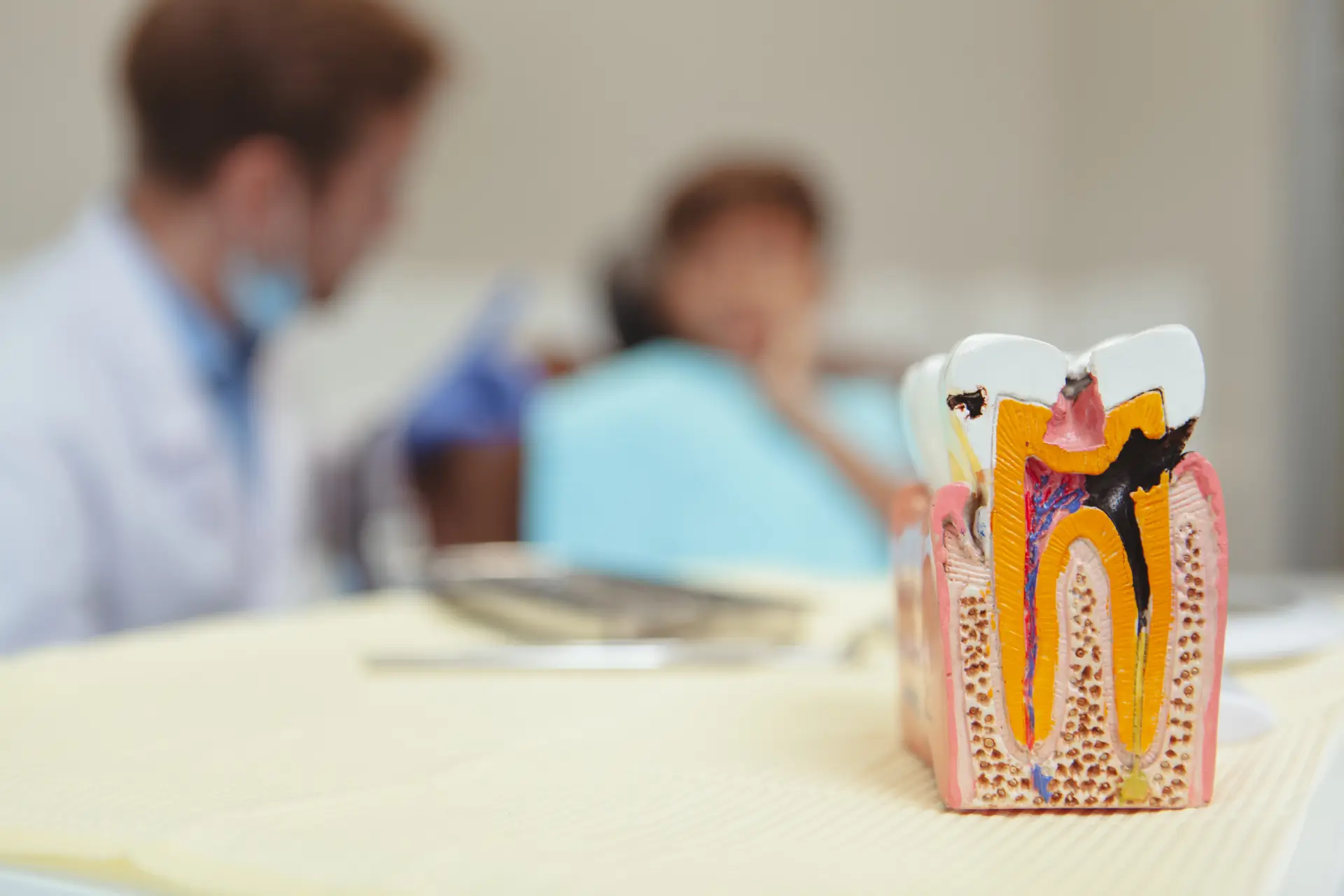
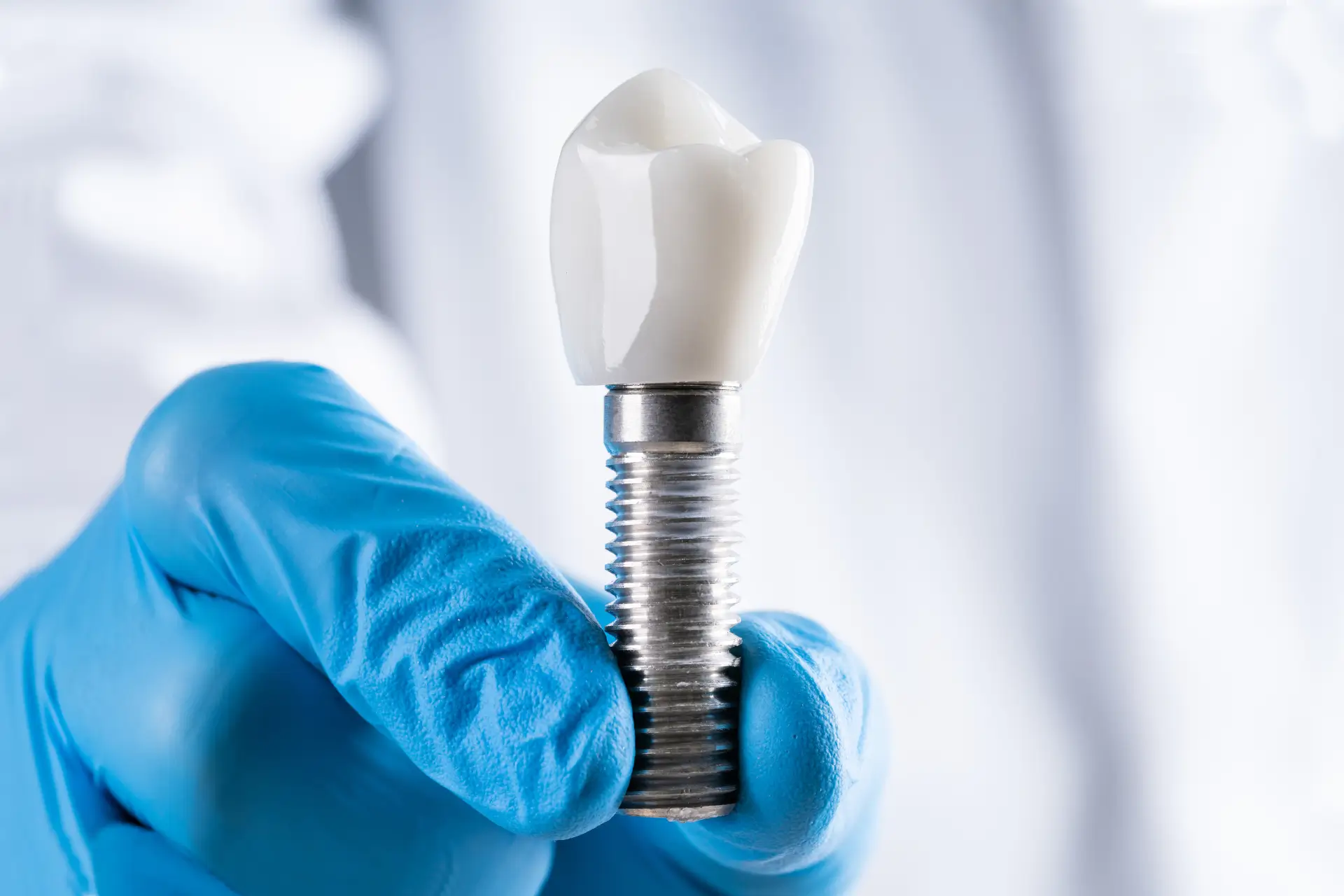
A dental emergency rarely arrives at a convenient moment. It happens during dinner, on the sidelines of a game, in a school parking lot, on vacation, or late at night when every small problem feels bigger. If you are helping someone else, the pressure can feel even sharper. You are trying to read the situation, calm a frightened person, control pain, and decide whether the next stop is a dentist, an urgent care clinic, or the emergency room.
The good news is that many dental emergencies become easier to manage when someone nearby stays steady. That does not mean pretending everything is fine. It means slowing the scene down enough to protect the person, preserve any damaged tooth or restoration, and get the right kind of care quickly. In practice, the first few minutes often matter more than people realize.
Most people do not expect to become the one giving help during a Dental Emergency. Yet simple actions, taken in the right order, can make a meaningful difference. I have seen situations where the calm friend who found the knocked-out tooth, the parent who controlled bleeding with clean gauze, or the coworker who called the dentist before symptoms worsened changed the outcome entirely.
Start by judging the urgency
Not every dental problem needs an ambulance, but some absolutely need immediate medical attention. The first question is not, “How do I fix the tooth?” It is, “Is this person medically stable?”
If the person has trouble breathing, has severe swelling that seems to be spreading into the face or neck, is bleeding heavily and it will not stop, has had a significant blow to the head, or seems confused or faint, treat it as a medical emergency first. Dental injuries can come with concussions, jaw fractures, or airway concerns, especially after sports injuries, falls, and car accidents. In those cases, call emergency services or go to the emergency room.
If the person is stable, the next decision is whether this is a same-day dental problem or something that can wait for the next available appointment. Severe pain, facial swelling, a knocked-out permanent tooth, a broken tooth with exposed inner layers, uncontrolled bleeding from the mouth, or signs of infection usually justify urgent same-day contact with a dentist. A lost filling with mild sensitivity, a small chip with no pain, or a loose crown that can be kept in place briefly may be less urgent, but still deserves prompt professional advice.
That distinction matters because many people waste precious time deciding whether they are “overreacting.” In a true Dental Emergency, especially with trauma or swelling, delay is usually the bigger mistake.
The most helpful thing you can do first
Before touching anything, help the person settle physically and emotionally. Sit them down if they are dizzy. Ask what happened. Look for obvious bleeding, swelling, broken teeth, or a missing tooth. If the person is a child, speak calmly and directly. Children often mirror the adult in front of them. If you sound panicked, they escalate. If you sound grounded, they usually become more cooperative.
A surprisingly effective first move is to have the person spit gently into a sink, cup, or clean cloth so you can see where the blood is coming from. Mouth injuries can look dramatic because saliva spreads blood quickly. What seems like heavy bleeding Dental Emergency is sometimes a cut lip or gum, not a deep dental injury. That does not mean it should be ignored, but it helps you respond with better judgment.
If there is visible bleeding, apply gentle pressure with clean gauze or a clean cloth. If swelling is developing, place a cold compress or wrapped ice pack against the outside of the cheek for short intervals. Do not put aspirin directly on the gums or tooth. People still try this home remedy, and it can chemically irritate soft tissue. For pain relief, follow the dosing instructions on common over-the-counter medication if the person can safely take it, but avoid giving anything that conflicts with their age, allergies, medical conditions, or current medicines.
When a tooth gets knocked out
Few situations create more urgency than a permanent tooth that has been completely knocked out. This is one of the clearest examples of why a calm helper matters. The tooth may be on the ground, in a napkin, or tucked into a child’s hand while everyone is focused on the blood. Finding it quickly and handling it correctly can preserve the chance of saving it.
Pick the tooth up by the crown, which is the part normally visible in the mouth. Do not grab the root if you can avoid it. The root surface contains delicate cells that matter for reimplantation. If the tooth is dirty, rinse it very briefly with clean water or saline. Do not scrub it, disinfect it, or wrap it in tissue. If the injured person is alert and old enough to cooperate, and if it is clearly a permanent tooth, the best option may be to gently place it back into the socket right away and have the person bite down on clean gauze to hold it in place. If that is not possible, keep the tooth moist in milk, saline, or inside the person’s cheek if they can manage that safely without swallowing it.
Time matters here. Dentists often talk in terms of minutes, not half-days. A tooth replaced promptly generally has a better chance than one left dry on a counter or wrapped in paper towel for an hour. Parents sometimes assume a baby tooth should also be put back in. It should not. Reimplanting a primary tooth can damage the developing permanent tooth underneath. If you are unsure whether the tooth is baby or permanent, store it properly and get professional help rather than guessing.
Cracked, broken, or displaced teeth
A tooth does not have to fall out to be a serious emergency. A crack can run deep. A break can expose the nerve. A tooth can be pushed sideways or partly out of position after impact. These injuries may not bleed much, yet they can threaten the long-term health of the tooth.
If a tooth is broken, ask the person to rinse gently with warm water to clear away blood and debris. Save any fragments you can find. Sometimes a dentist can use them. Apply gauze for bleeding and a cold compress for swelling. If the person says air, water, or cold causes sharp pain, that can suggest exposed inner tooth structure. Same-day evaluation is wise.
If a tooth looks moved out of place, do not forcefully push or twist it. Occasionally a dentist can reposition a displaced tooth successfully, but rough handling at home can worsen the injury. The best role for the helper is to reduce movement, control bleeding, and arrange urgent dental care.
Jaw injuries are a separate concern. If the bite suddenly feels very “off,” the mouth cannot open or close properly, or the jaw looks uneven, think beyond the teeth. Support the jaw gently, avoid unnecessary movement, and seek immediate professional evaluation. That may mean the emergency room, not just the dentist’s office.
Swelling, infection, and pain that should not be ignored
Tooth infections can turn serious faster than many people expect. A person may begin with throbbing pain around one tooth and, within a day or two, develop facial swelling, fever, a foul taste from drainage, or tenderness under the jaw. If swelling is visible, especially if it is increasing, do not treat it as something to “watch for a few more days.”
The danger is not just pain. Infections in the mouth can spread into deeper tissues. If the person has trouble swallowing, trouble breathing, increasing swelling around the eye or under the jaw, fever, or general weakness, seek urgent care immediately. A dentist can manage many infections, but if the swelling threatens the airway or the person seems systemically ill, the emergency room is appropriate.
People often ask whether antibiotics alone will solve the problem. Sometimes they are part of treatment, but they are usually not the whole treatment. An abscessed tooth often needs drainage, root canal treatment, or extraction. If you are helping someone in pain, your main job is to get them assessed quickly rather than relying on leftovers from a medicine cabinet or advice from a relative.
One practical issue comes up often at night: the person lies down and the pain intensifies. Keeping the head elevated can sometimes reduce pressure and throbbing. It does not fix the cause, but it can make the wait for care more tolerable.
Bleeding after a tooth extraction or oral procedure
Sometimes the emergency is not an injury but a complication after dental work. A person may call because they had a tooth removed earlier in the day and the socket is still oozing, or because blood in saliva looks alarming. Mild oozing after an extraction can be normal for several hours. The distinction is between oozing and active bleeding.
Have the person place folded clean gauze over the area and bite with steady pressure for about 30 to 60 minutes without checking every few minutes. Repeatedly removing the gauze can disturb the clot that needs to form. If gauze is not available, a clean damp cloth can help. They should sit upright, avoid vigorous rinsing, avoid spitting hard, and avoid using a straw. Those actions can dislodge the clot and restart bleeding.
If bright red bleeding continues despite firm pressure, or if the mouth is filling quickly with blood, contact the dentist or oral surgeon right away. If the person feels weak, short of breath, or lightheaded, escalate the situation. People taking blood thinners deserve extra caution because what starts as routine oozing may become more persistent.
Dry socket is another common source of distress a day or two after extraction. The person often reports deep, radiating pain, sometimes with a bad taste or odor. It is miserable, but it is usually not dangerous. What they need is prompt contact with the dental office for local treatment and pain management, not random home remedies packed into the socket.
Lost fillings, crowns, and braces problems
These situations rarely look dramatic, but they can still hurt, and they are exactly the kind of problem where good temporary help prevents further damage.
If a filling falls out, the tooth may feel sensitive to air and temperature. The person should keep the area clean, avoid chewing on that side, and contact a dentist. Sugar-free gum or temporary dental material from a pharmacy sometimes helps cover a small cavity temporarily, but it should be viewed as a bridge, not a fix.
If a crown comes off, keep it. Sometimes it can be recemented if it is intact and the tooth underneath is not badly damaged. The person should not force it back if it does not seat properly. A crown put back crooked can create bite problems or trap debris. If it slips on passively and stays in place, some dentists may advise temporary dental cement, but plain household glues should never be used.
Orthodontic wires and brackets create a different kind of urgency. A poking wire can cut the cheek or gum enough to make eating miserable. Orthodontic wax is often the quickest temporary solution. If wax is not available, a small piece of sugar-free gum can sometimes cover the sharp area for a short time until proper adjustment. Cutting a wire at home is usually a last resort and should be done only if guided by the orthodontist, because loose wire fragments can be swallowed or inhaled.
What to do in the first 15 minutes
In the middle of a Dental Emergency, people need a short mental script. The following steps keep most situations from becoming more chaotic.
- Check for medical danger first, especially breathing problems, severe swelling, head injury, fainting, or uncontrolled bleeding.
- Control the scene, sit the person down, apply clean gauze to bleeding areas, and use a cold compress on the outside of the face if swelling is present.
- Preserve what matters, such as a knocked-out tooth, broken pieces, a lost crown, or orthodontic parts, and keep them clean and moist when appropriate.
- Call the right place promptly, either the dentist, oral surgeon, urgent care, or emergency room, based on the symptoms and severity.
- Avoid common mistakes, including scrubbing a knocked-out tooth, placing aspirin on gums, using glue on dental work, or letting the person eat and chew freely on the injured area.
That sequence is simple enough to remember under stress, and broad enough to fit most real-world scenarios.
What not to say, and what helps instead
When someone is in sudden dental pain, the emotional side can become as difficult as the injury itself. Adults feel embarrassed by accidents. Teenagers worry about appearance. Children may be terrified by the sight of blood. The wrong reassurance can make things worse. “It’s probably nothing” is not comforting if the person is already frightened and their mouth hurts intensely. “Don’t panic” rarely calms anyone.
What works better is grounded language. Tell them what Dental Emergency you are doing. “I’m getting gauze.” “Let’s find the tooth.” “I’m calling the dentist now.” “Keep biting down, the bleeding should slow.” Practical narration lowers anxiety because it replaces uncertainty with action.
I remember seeing a young athlete after a collision during a weekend game. The adults around him kept asking if he was okay, which only made him cry harder. The moment one parent said, “Your tooth is here, we have it, and we’re heading to the dentist,” his breathing changed. He was still in pain, but the panic eased because the path forward became clear.
Helping children versus helping adults
Children need simpler instructions and closer supervision. They are more likely to swallow a loose tooth fragment, spit out gauze too early, or resist an ice pack because it feels strange. At the same time, mouth injuries in children often bleed dramatically from the lips and gums even when the tooth injury itself is minor. A helper has to sort through that without assuming the blood tells the whole story.
A useful question with children is whether the injured tooth is a baby tooth or a permanent tooth. By around age 6, both can be present in the mouth at the same time, which confuses parents during trauma. If a front tooth is knocked out in an older child, it may be permanent. That makes preserving it much more important.
Adults bring different challenges. They may minimize symptoms because they do not want the expense, inconvenience, or disruption. They may continue working through pain until a manageable issue becomes a larger infection. If you are helping an adult, part of your role may be to gently push past denial. Facial swelling, severe toothache that keeps a person awake, or trauma that changes the bite deserves actual evaluation.
Calling the dental office effectively
When you contact a dentist during an emergency, the quality of the information you provide affects how quickly the team can triage the problem. Instead of saying, “Something happened to his tooth,” be specific. Say when it happened, whether there was a fall or blow to the face, whether the tooth is loose, broken, or out completely, whether bleeding has stopped, whether swelling is present, and whether the person can close their teeth together normally.
Dental offices often make decisions based on those details. A knocked-out permanent tooth or spreading facial swelling may be brought in immediately. A small chip without pain may be scheduled differently. Good information saves time, and time matters.
It also helps to ask one direct question: “Is there anything we should do before we arrive?” Offices may give precise instructions about storing a tooth, managing bleeding, or avoiding food and drink.
Keep a few essentials nearby
Most people never think about a dental emergency kit until they need one. It does not have to be elaborate. A few basic items can make a real difference at home, in a sports bag, or in the car.
- Clean gauze pads for pressure and bleeding control.
- A small container with a lid for tooth fragments, crowns, or a knocked-out tooth.
- Saline or clean water for gentle rinsing.
- An instant cold pack or access to ice and a cloth.
- Orthodontic wax if someone in the household wears braces.
If someone in your family plays contact sports, a properly fitted mouthguard is worth mentioning here. It is one of the few preventive tools that consistently reduces certain dental injuries. Prevention rarely feels urgent until you have seen the alternative.
The line between helping and improvising too much
One of the hardest parts of assisting during a Dental Emergency is knowing when to stop trying to fix things yourself. People mean well, but too much improvisation can create new problems. A tooth is not a broken appliance. A socket is not a wound to be packed with random materials. A lost crown is not a craft project for superglue.
Good first aid is conservative. Keep the person safe. Control bleeding. Protect the tooth or tissue. Reduce swelling. Get professional guidance. If you do those things well, you have already done the important work.
There is also no shame in using emergency services when the line feels unclear. Severe swelling, trauma with possible facial fractures, significant bleeding, and systemic illness deserve caution. It is better to be told a situation was less dangerous than feared than to ignore signs that later become serious.
After the immediate crisis
Once the person has been seen and treatment is underway, practical support still matters. They may need help understanding aftercare instructions, picking up medication, choosing soft foods, or arranging a follow-up visit. If they had sedation, pain medication, or significant trauma, they should not be left to navigate everything alone.
Pay attention over the next day or two. Worsening swelling, fever, increasing pain not controlled as expected, bad odor or taste, or new difficulty swallowing are reasons to call back promptly. Sometimes the second phase of a dental problem is when people get into trouble, not the first.
Helping someone through a Dental Emergency is rarely about doing something heroic. More often, it is about doing a handful of ordinary things correctly while everyone else is rattled. Stay calm. Notice the details. Protect the tooth if there is one to save. Do not dismiss swelling or severe pain. Get the person to the right level of care without unnecessary delay.
That steady, competent response is often what turns a frightening moment into a manageable one.
Vitality Dental
Address: 1220 Coit Rd #106, Plano, TX 75075
Phone number: +19726454100
FAQ About Dental Emergency
What can the ER do for a tooth?
An emergency room (ER) can manage pain and treat severe infections with medication, but it cannot fix or pull a tooth.
What is considered a dental emergency?
A dental emergency is any oral health problem that involves severe pain, uncontrollable bleeding, or an infection that threatens your health or requires immediate care to save a tooth.
Is there a 24-hour dental service in Plano, TX?
There is no physical dental clinic in Plano, Texas, that stays open with walk-in staff 24 hours a day, but several offices offer 24/7 phone support, late-night hours, or same-day emergency care.